Common Questions About Dental Crowns in Oxnard CA

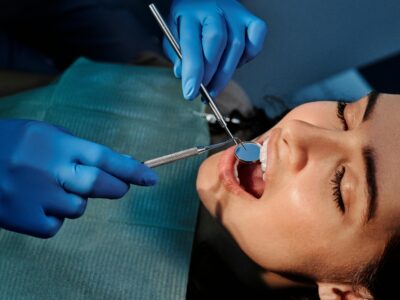
If you have been told you may need a crown, the recommendation can sound bigger than it really is. Patients often hear the word "crown" and picture extensive dental work, multiple painful visits, or a cosmetic treatment that is optional. In practice, a crown is one of the most common and useful restorations in dentistry. It can protect a cracked Dental Crowns Oxnard CA tooth, rebuild a badly worn molar, support a root canal treated tooth, or improve the look of a tooth that has lost too much structure for a simple filling to do the job.
People asking about Dental Crowns Oxnard CA usually want straight answers to practical concerns. Does the procedure hurt? How long does a crown last? Will it look natural? Is it worth the cost? Those are the right questions. A crown is not just a cap placed on a tooth. It is a decision about preserving function, comfort, and appearance over the long term. A good answer has to account for the condition of the tooth, your bite, your habits, and your expectations.
What a dental crown actually does
A dental crown covers the visible portion of a tooth above the gumline. Think of it as a custom shell made to fit over a prepared tooth. Once cemented in place, it restores shape, strength, and function. Dentists recommend crowns when a tooth is too damaged for a filling alone, or when the risk of fracture is high enough that waiting would be a mistake.
This comes up often with large old fillings. A tooth may look stable from the outside, but much of the natural enamel has already been replaced. Every time you chew, the remaining walls flex a little. Over months or years, small cracks can grow. Sometimes patients are surprised because the tooth was not hurting very much, then it breaks while eating something ordinary like toast or a sandwich. By the time that happens, the treatment can become more involved and more expensive.
Crowns also have a cosmetic role, but even in cosmetic cases, function matters. A front tooth with heavy discoloration, erosion, or a large fracture may look better with a crown, yet the restoration also needs to handle speech, biting, and wear from the opposing teeth.
How do you know when a crown is necessary?
This is one of the most common questions in any dental office. Not every damaged tooth needs a crown, and a careful dentist should be able to explain why a filling, inlay, onlay, veneer, or crown makes the most sense in your specific case.
A crown is often recommended Dental Crowns Oxnard CA when a tooth has lost enough structure that it cannot reliably hold a filling without cracking. This is common after root canal treatment, especially in back teeth. Once the nerve is removed and the tooth has been opened to clean the canals, the tooth is more brittle and more vulnerable under biting pressure. A crown helps distribute force and lowers the chance of a future split.
Cracks are another major reason. Some cracks are superficial and can be monitored. Others run deeper and create pain when biting or releasing pressure. In those cases, a crown can hold the tooth together and reduce symptoms, although the outcome depends on how far the crack extends. If a crack goes too deep below the gumline or into the root, a crown may not be enough to save it.
There are also cases where the choice is about timing. A tooth may not be broken today, but its anatomy, existing damage, and your bite pattern may make a fracture likely. That is where clinical judgment matters. Good dentistry is not just about fixing what is already broken. It is also about recognizing when preventive reinforcement will avoid a much bigger problem later.
What happens during the procedure?
In many cases, getting a crown takes two visits, though some practices offer same day crowns depending on technology, case selection, and material. The basic process is fairly consistent.
At the first visit, the tooth is examined, shaped, and reduced enough to make room for the crown material. Local anesthetic is usually used, so the procedure should feel more like pressure and vibration than pain. If the tooth has decay or a compromised old filling, that damage is removed first. Sometimes the dentist also needs to build up the core of the tooth so the crown has a stable foundation.
An impression or digital scan is then taken so the final crown can be fabricated to fit your tooth and your bite. A temporary crown is typically placed to protect the tooth in the meantime. That temporary matters more than people realize. It protects sensitivity, keeps the tooth from shifting, and lets you function while the final crown is being made.
At the second visit, the temporary is removed and the final crown is tried in. The dentist checks the margins, contacts, shape, shade, and bite. If everything fits properly, the crown is cemented into place.
When a patient says the appointment took longer than expected, it is often because the dentist is being meticulous about the fit. That is a good thing. A crown that is even slightly high can make chewing uncomfortable. A contact that is too loose can trap food. A margin that does not seat properly can shorten the life of the restoration.
Does getting a crown hurt?
Usually, the fear is worse than the experience. Most patients tolerate crown preparation very well with local anesthetic. During the procedure, you may feel water spray, vibration, and pressure, but sharp pain should not be the norm. If you are anxious, many offices can discuss options to make the appointment easier.
After the numbness wears off, mild soreness in the gum or jaw is common for a day or two, especially if the appointment required keeping your mouth open for a while. Temperature sensitivity can happen, particularly around the temporary crown. This tends to settle once the final crown is cemented, though some teeth remain mildly sensitive for a short period.
What deserves attention is pain that worsens, pain when biting that does not improve, or spontaneous throbbing. Those signs can mean the bite needs adjustment, the tooth was more inflamed than expected, or the nerve is not recovering well. Most post crown discomfort is manageable and temporary, but persistent symptoms should not be ignored.
How long do dental crowns last?
There is no honest one size fits all number. Many crowns last well over a decade, and some remain functional much longer. Others fail earlier because of decay at the margin, heavy clenching, poor fit, inadequate tooth structure, or changes in the surrounding teeth and gums.
In day to day practice, lifespan depends less on a single material choice and more on the full picture. A beautifully made crown can still fail early if the patient grinds hard at night and never wears a guard. A perfectly acceptable crown can last many years if the bite is favorable and home care is excellent.
The crown itself does not decay, but the tooth underneath still can. That is an important point many patients miss. If plaque sits at the edge where crown and tooth meet, decay can start there and spread under the restoration. Often, that process is silent until it becomes large enough to cause sensitivity or show up on an X ray.
Which type of crown is best?
The best crown is the one that suits the tooth, the bite, and the cosmetic demand. There is no universally superior option. The material choice should be individualized.
Porcelain or ceramic crowns are popular because they can look very natural, especially on front teeth and visible premolars. Their translucency often mimics enamel better than older materials. Zirconia crowns are known for strength and have become common for back teeth, although esthetics vary by type and design. Porcelain fused to metal crowns have been used for many years and can still work well, though some patients dislike the possibility of a dark line near the gum over time. Gold and other metal crowns remain excellent from a functional standpoint in certain back tooth cases because they can be gentle on opposing teeth and very durable, but many patients prefer tooth colored restorations.
The right answer depends on more than preference. A patient who breaks porcelain repeatedly from severe grinding may do better with a different design or material. A patient with a high smile line and cosmetic concerns may care more about shade blending and gum appearance. A lower molar that is barely visible may be judged mostly on strength and fit.
Will the crown look natural?
If it is done well, it should blend with your smile rather than announce itself. Matching a single front tooth is more demanding than restoring a back molar, and patients should know that up front. Natural teeth are not one flat color. They have translucency, surface texture, brightness differences, and subtle warmth or coolness depending on the light.
Shade matching is part science and part artistry. Lighting conditions, tooth dehydration during the appointment, and even surrounding lipstick or clothing colors can slightly affect perception. In especially visible cases, custom shading by the laboratory or photographs for the ceramist can make a meaningful difference.
Natural appearance also depends on shape. A crown can be the perfect shade and still look off if the contours are bulky, too square, too short, or too smooth compared with neighboring teeth. This is one reason cosmetic crown cases deserve careful planning rather than a rushed approach.
Why do some crowns need a root canal first?
Not every tooth getting a crown needs root canal treatment. In fact, many do not. But when decay is deep, the nerve is infected, or the tooth is already causing lingering pain, a root canal may be necessary before the crown can be placed.
There is also a gray area that causes understandable confusion. Sometimes a tooth does not need a root canal before the crown, yet later develops symptoms and ends up needing one afterward. That does not automatically mean something went wrong. A tooth with a long history of large fillings, cracks, trauma, or deep decay may have a nerve that is already stressed. The crown procedure can reveal or accelerate a problem that was brewing quietly.
A careful evaluation lowers surprises, but dentistry is biology, not carpentry. Teeth do not always read the textbook.
What if the crown feels strange at first?
A new crown can feel unfamiliar for a few days, even when it is technically correct. Your tongue is very sensitive to small differences in contour, especially around the edges. Patients often say, "It feels too big," when the actual issue is simply that the old tooth was worn down and the crown restored the original anatomy.
That said, a crown should not feel painfully high or make you avoid chewing on one side. If your bite lands on that tooth first, the jaw can become sore and the tooth can feel tender to pressure. This usually requires a simple adjustment. It is quick, and patients are often surprised by how much relief a tiny correction can provide.
Food packing between teeth is another complaint worth addressing. A crown should contact the neighboring tooth firmly enough to resist trapping food, but not so tightly that floss shreds or cannot pass through. These details matter in real life far more than they do on a model.
How much do dental crowns cost in Oxnard?
Fees vary by office, material, complexity, and whether additional procedures are needed, such as a buildup, root canal, or replacement of a broken down filling before the crown is made. Geographic area matters too, which is why patients looking up Dental Crowns Oxnard CA often see a range rather than one standard price.
The cheapest option is not always the least expensive in the long run. A crown that fits poorly, breaks early, or leads to ongoing bite problems can cost more in repairs, time, and frustration. At the same time, a higher fee should come with value that is clear, not vague. Patients have every right to ask what is included, which material is being used, whether a temporary is provided, and what happens if adjustments are needed after cementation.
Dental insurance may help, but plans differ widely. Some cover a percentage after deductible. Others have waiting periods or frequency limitations. It is wise to ask for a treatment estimate and verify benefits, while remembering that insurance coverage is not the same thing as clinical necessity.
Can a crown fail?
Yes, and failure does not always look dramatic. Sometimes the crown chips or comes loose. Sometimes the issue is decay around the edge. Sometimes the tooth underneath fractures, especially if there was a deep crack to begin with. Occasionally, the crown itself is fine but the gum around it stays irritated because the contour is not ideal or home care has been difficult.
Here are common reasons crowns need attention:
- Decay forming at the crown margin
- Bite forces from grinding or clenching
- A crack extending deeper into the tooth or root
- Cement washout or loss of retention
- Changes in the surrounding gum or bone support
One scenario that surprises patients is when a crowned tooth cannot be saved because the root fractures vertically. This can happen years after treatment, particularly in teeth that were heavily restored and root canal treated. A crown is a strong restoration, but it does not make a damaged tooth indestructible.
How should you care for a crown?
Crown care is refreshingly ordinary. Brush well, floss carefully, and keep regular dental visits. What changes is your awareness. The margin where the crown meets the natural tooth deserves extra attention. That is where plaque tends to collect and where secondary decay often starts.
If you clench or grind, a night guard can make a real difference. I have seen patients destroy natural enamel, fracture fillings, and chip crowns without realizing how much force they generate during sleep. A guard is not glamorous, but it can save a great deal of dental work.
A few habits help crowns last longer:
- Avoid chewing ice, pens, and other very hard objects
- Wear a night guard if you grind or clench
- Keep up with routine cleanings and exams
- Report persistent sensitivity or bite changes early
- Clean thoroughly along the gumline every day
These are simple measures, but they often separate crowns that last a long time from crowns that become recurring problems.
Are same day crowns a better option?
They can be excellent in the right situation. Same day systems allow a dentist to scan, design, and mill a crown in one visit. Patients like the convenience, especially those with demanding schedules or those who dislike wearing temporaries.
Still, same day does not automatically mean better. Some cases benefit from laboratory fabrication, especially when esthetics are complex, the bite is challenging, or multiple teeth are involved. A good office will not push one approach for every patient. The best method depends on the tooth, the material, and the level of detail required.
Convenience matters, but precision matters more.
Questions worth asking before you agree to treatment
A thoughtful patient usually has a better experience because expectations are clearer from the start. If a crown has been recommended, ask why this treatment is preferred over a filling or onlay, what material is being proposed, and whether the tooth shows any signs that root canal treatment might become necessary. Ask how the bite will be checked, what the temporary phase will be like, and what kind of follow up is available if something feels off afterward.
These are not confrontational questions. They are practical ones. Good dentistry is a partnership, and clear communication improves outcomes.
When not to wait
Some crown decisions can be scheduled calmly. Others should move faster. If you have a cracked tooth with pain on biting, a large broken filling, a piece of tooth that has snapped off, or a root canal treated tooth that has been left without final protection, waiting can narrow your options. A tooth that might be saved with a crown today can become a tooth that needs extraction and replacement later.
That is especially relevant for back teeth. Molars carry substantial force. Patients sometimes function on a damaged molar for months because the pain comes and goes, then one hard bite changes everything. Once the fracture extends too far below the gumline, the treatment conversation becomes much more complicated.
For anyone researching Dental Crowns Oxnard CA, the real goal is not simply getting a crown. It is preserving a tooth in a way that is predictable, comfortable, and appropriate for your long term oral health. A crown can do that very well when the diagnosis is sound, the material is chosen thoughtfully, and the details are handled with care.
Omni Dental Specialty
1690 E Gonzales Rd
Oxnard, CA 93036, United States
Phone: +1 805-410-9603
FAQ About Dental Crowns Oxnard CA
What is the average cost of a crown in California?
The fee depends on the crown material, tooth condition and any additional treatment. Request an itemized estimate from Omni Dental Specialty after an examination, and confirm insurance benefits before scheduling.
How long do dental crowns last?
Longevity varies with the material, fit, oral hygiene and biting habits. Regular dental reviews help identify wear, damage or decay. A crown does not need replacement solely because it reaches a particular age.
Do teeth go bad under crowns?
Decay can develop in the remaining natural tooth, particularly near the crown margin. Brush with fluoride toothpaste, clean between teeth daily and keep dental appointments. Report new pain or looseness promptly.
Which crown is best for bruxism?
No material suits everyone. Your dentist assesses grinding, tooth position, bite forces and appearance before recommending a crown. A protective appliance may also be recommended to manage stress on the restoration.