How Technology Improves Dental Crowns in Oxnard CA
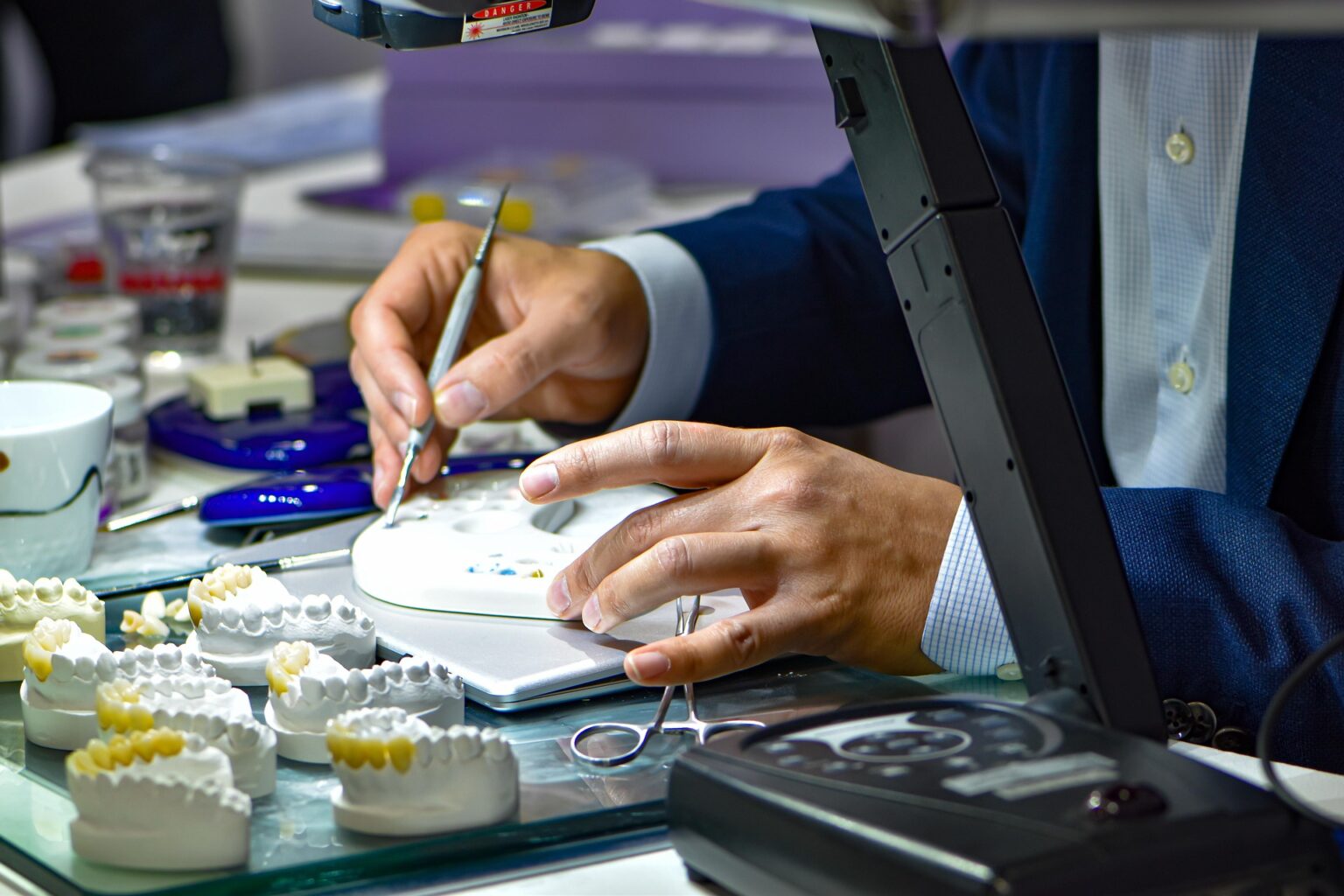

A dental crown used to involve more waiting, more guesswork, and often more inconvenience than patients expected. You would sit for a preparation appointment, leave with a temporary crown, return weeks later for the permanent one, and hope the final fit felt natural. The fundamentals of crown dentistry still matter, careful tooth preparation, sound materials, proper bite, healthy gums, but the tools behind the process have changed dramatically.
For patients looking into Dental Crowns Oxnard CA, that shift is not abstract. It affects how a crown fits, how it looks in different light, how long treatment takes, and how comfortable the process feels from start to finish. Technology has not replaced clinical judgment. It has made good judgment easier to apply with greater precision.
In a coastal city like Oxnard, where patients range from young professionals to retirees, from busy parents to agricultural workers with demanding schedules, efficiency matters. So does durability. People want dentistry that respects their time and holds up to real life. Modern crown technology addresses both, especially when the office uses digital imaging, advanced materials, and carefully integrated design software.
Crowns still depend on fundamentals
Before getting into scanners and milling machines, it helps to be clear about what a crown is supposed to do. A crown covers and protects a damaged tooth. Dentists recommend them after large cavities, root canals, fractures, severe wear, or when a tooth simply no longer has enough structure to function predictably with a filling alone.
The old and new approaches share the same goal. The crown should fit the prepared tooth with minimal gaps, blend with neighboring teeth, support a comfortable bite, and protect the tooth beneath it. If any of those elements are off, the patient feels it. Food traps, cold sensitivity, sore gums, a bite that feels high, or a crown that looks flat and artificial can turn a restorative procedure into an ongoing annoyance.
Technology improves the process because crowns are unforgiving. Tiny discrepancies matter. A margin that is off by even a small amount can affect the seal. A bite that is slightly high can leave a patient clenching around one tooth for days. A shade match that looks acceptable under one light can look very different outdoors. Better technology gives the dentist more control over those details.
Digital scanning changed the first appointment
For many patients, the most obvious improvement is the move from conventional impressions to digital scanning. Traditional impressions are still used in some situations, and they can work well in experienced hands, but they come with familiar drawbacks. Patients may gag. Material can distort. Small bubbles or pulls near the margin can force a retake or compromise the final result.
An intraoral scanner captures a three-dimensional model of the teeth and gums with a handheld camera. The difference in patient experience is immediate. Instead of sitting with a tray full of impression material for several minutes, the patient opens, the scanner moves around the mouth, and the image appears on screen in real time.
That real-time aspect matters more than most people realize. If a dentist sees that a margin is not captured clearly because of saliva, blood, or limited access, the area can be rescanned immediately. With old impressions, the problem might not become obvious until the lab reviewed the case later. By then, the patient had already gone home, and the office had to call them back.
From a practical standpoint, digital scans also help with communication. Patients can see the prepared tooth, the spacing, and the wear patterns on the monitor. When someone asks why a cracked molar needs a crown instead of another filling, a visual explanation often lands better than a verbal one. In my experience, patients make more confident decisions when they can actually see the fracture lines, the old leaking restoration, or the loss of cuspal support.
Better imaging means better planning
Crown success starts before the preparation. Modern digital X-rays and, in some cases, 3D cone beam imaging allow a dentist to evaluate the tooth more thoroughly. That matters because a crown is only as reliable as the tooth underneath it.
A two-dimensional X-ray can reveal recurrent decay, root canal status, bone support, and the condition of surrounding teeth. When the situation is more complex, such as a cracked tooth with unclear symptoms, a tooth with previous endodontic treatment, or a case where the fracture might extend below the gumline, three-dimensional imaging can add valuable information. It does not replace the clinical exam, but it sharpens it.
This is especially useful in edge cases, the teeth that sit in the gray zone between “restorable” and “questionable.” Technology helps identify whether the problem is truly manageable with a crown or whether a patient should be prepared for alternatives. That kind of clarity saves frustration. No one wants to invest in a crown only to learn later that the underlying fracture was more extensive than expected.
CAD/CAM makes design more precise
Computer-aided design and computer-aided manufacturing, usually shortened to CAD/CAM, have transformed the way crowns are designed. Once the tooth is scanned, software allows the dentist or laboratory technician to build the crown digitally, adjusting contours, contacts, and occlusion with a degree of control that was harder to achieve in a purely analog workflow.
The software is not making artistic decisions on its own. It is giving trained clinicians and technicians a better platform for making them. A well-designed crown should not just fill a space. It should support the bite, mirror the anatomy of nearby teeth, and create contact points that feel natural. When design software overlays the upper and lower arches and simulates how the teeth meet, it can help spot interferences before the crown is ever fabricated.
That has a direct effect on chairside adjustments. Patients notice when a crown seats with fewer bite corrections. They notice when floss snaps through the contact with the right amount of resistance instead of shredding or passing too loosely. Those details are not glamorous, but they are what separate a serviceable crown from one that disappears into the bite and feels like part of the mouth.
Same-day crowns reduce downtime for the right case
One of the most talked-about advances is the same-day crown. In offices equipped with an in-house scanner and milling unit, a crown can sometimes be designed, milled, characterized, and delivered in a single visit. For the right patient and the right tooth, this can be a major advantage.
Skipping the temporary crown is often the best part. Temporary crowns are useful, but they can loosen, break, leak, or feel rough. Patients on tight schedules, especially those who commute, travel for work, or juggle childcare, appreciate avoiding the second appointment.
That said, same-day does not automatically mean better. It means faster, and often more convenient. The best approach depends on the case. A highly visible front tooth with complex esthetic demands may still benefit from the artistry of a skilled dental laboratory. A back molar with straightforward contours is often an excellent candidate for a same-day ceramic crown. Good dentistry involves knowing when speed helps and when a lab-crafted restoration is the better choice.
A thoughtful dentist will explain that trade-off rather than treating every case like a one-size-fits-all technology demo.
Modern materials look better and hold up better
Material science is one of the biggest reasons crowns have improved. Patients used to hear mostly about porcelain fused to metal crowns and full metal crowns. Those options still have indications, but all-ceramic materials have expanded what is possible.
Lithium disilicate is often used when esthetics matter and sufficient strength is needed, especially for many front and premolar cases. Zirconia is valued for its strength and can be an excellent option for molars or patients with heavy bite forces. Newer generations of zirconia have also improved in translucency, which helps reduce the opaque look that older strong ceramics sometimes had.
Material choice is never just about what is strongest on paper. A dentist has to consider where the tooth sits in the mouth, how much space is available, whether the patient grinds, what the opposing teeth are like, and how visible the crown will be when the patient smiles or speaks. Someone with a broad smile line and high esthetic expectations may care deeply about subtle translucency at the incisal edge. Someone restoring a lower second molar may care most about longevity and function.
Technology helps here by making these materials more consistent. Industrial milling processes and refined sintering protocols can produce restorations with reliable density and fit. Bonding systems have improved as well, which affects retention and seal. The result is not magic. Crowns can still chip, loosen, or fail if the case selection is poor. But the materials available now give dentists more flexible and dependable options than they had a generation ago.
Shade matching is no longer guesswork alone
Anyone who has ever seen a crown that looks too white, too gray, or too flat knows how hard color matching can be. Natural teeth are not one uniform shade. They reflect light differently at the neck, body, and edge of the tooth. Age, hydration, enamel thickness, and surrounding colors all influence appearance.
Digital shade-matching tools can improve consistency, especially when paired with good clinical photography. High-quality images sent to the laboratory, along with scans and notes about texture and translucency, give the ceramist far more usable information than a handwritten shade code alone. Some offices use calibrated shade devices, while others rely on Dental Crowns Oxnard CA a strong photo protocol with proper lighting and reference tabs.
This is where technology and human judgment meet again. A shade-reading device can provide data, but it still takes an experienced eye to interpret whether the final restoration will harmonize with the neighboring teeth in the patient’s real environment. Skin tone, lip movement, and smile dynamics all play a role. The best esthetic results still come from careful collaboration, not just equipment.
Bite analysis has become more refined
A crown can look beautiful and still fail if the bite is wrong. Patients often describe a “high spot” after crown placement, but what they are feeling may be more complex than a single contact point. Some offices now use digital occlusal analysis systems that measure timing and force distribution as the patient bites.
These systems are not mandatory for every crown, but they can be especially helpful in patients with TMJ symptoms, heavy wear, clenching habits, or full-mouth restorative work. Traditional articulating paper still has a place. It shows contact marks quickly and effectively. What digital analysis adds is timing and relative force. That can be useful when a patient reports discomfort even though the paper marks seem acceptable.
In practice, this matters because many crown problems are not dramatic failures. They are low-grade irritations. A patient chews differently on one side, develops tenderness around the tooth, or notices jaw fatigue by the end of the day. Better bite analysis can reduce those lingering problems.
Gum management and lasers can support cleaner margins
One of the less visible but important parts of crown work is exposing the finish line clearly enough to capture it accurately. If the margin sits near or slightly below the gumline, the tissue has to be managed carefully. Traditionally, dentists often use retraction cord to move the gum tissue gently away from the tooth before scanning or taking an impression. That remains common and effective.
In some practices, soft tissue lasers can assist with tissue shaping and hemostasis in selected cases. They are not necessary for every crown, and they should not be used casually, but when the tissue is inflamed or the margin is difficult to access, technology can help create a cleaner field. A cleaner field usually means a more accurate scan, and that can improve the fit of the final restoration.
Patients mostly notice the downstream effect. Less remaking, fewer adjustments, and a smoother seat at delivery often begin with what happened around the margin during the preparation appointment.
Laboratories are more connected than ever
Even when a crown is not made in-office, technology has improved how the dental office and laboratory work together. Digital files move quickly. A technician can review a scan the same day, flag a missing area, or request additional photos before fabrication begins. That reduces surprises later.
This collaboration is especially valuable in complex esthetic cases. A ceramist can study facial photos, smile photos, close-up retracted images, bite records, and digital models together. That level of information supports better contouring and layering decisions. It also reduces the old problem of trying to reverse-engineer a patient’s smile from a stone model and a brief note.
For patients seeking Dental Crowns Oxnard CA, the practical value is simple. A well-connected office-lab workflow often means fewer delays, fewer remakes, and more predictable results.
Not every technological advance is necessary for every patient
It is easy to assume that more technology always means better treatment. In reality, appropriate use matters more than the number of devices in the room. A dentist with strong fundamentals and a carefully maintained conventional workflow may deliver excellent crowns. A poorly trained operator with expensive equipment can still produce mediocre work.
Patients are best served when technology solves a real problem. If a digital scanner helps avoid a gag-inducing impression, that is meaningful. If same-day treatment eliminates the risk of a temporary crown coming off before a wedding or business trip, that is meaningful. If a lab-fabricated crown with advanced ceramics will produce a better esthetic match than an in-office milled option, that is equally meaningful.
A good office does not force every case through the same system. It chooses the workflow that fits the tooth, the patient, and the goals.
What patients should ask before getting a crown
Technology has improved crown treatment enough that a few smart questions can reveal a lot about how an office approaches care. Patients do not need to become experts, but they should understand the basics of what is being recommended and why.
- Will the crown be made the same day or by a dental laboratory, and what is the reason for that choice?
- What material is being recommended for this specific tooth?
- How will the dentist capture the impression, digital scan or conventional impression?
- If the tooth has a crack or prior root canal, what imaging has been used to evaluate it?
- What should the patient expect if the bite feels off or the tooth feels sensitive after placement?
These questions tend to lead to better conversations. A dentist who can explain the reasoning clearly usually has thought through the case carefully.
The Oxnard factor, why local context matters
Dentistry is never entirely generic. The needs of a patient population shape how crown technology gets used. In Oxnard, a practice may see a broad mix of esthetic cases, heavily restored teeth, cracked molars from long-term grinding, and patients balancing treatment with work that does not allow much flexibility for follow-up visits.
That local reality makes efficiency and durability especially valuable. Same-day digital workflows can help a teacher, nurse, farm supervisor, or small business owner who cannot easily step away for multiple appointments. Strong ceramic materials matter for patients with years of wear. Better imaging helps when a tooth has an uncertain prognosis and the patient wants a clear recommendation before committing time and money.
The best practices in Dental Crowns Oxnard CA tend to use technology not as a sales feature, but as a way to reduce friction and improve outcomes in a very practical sense.
Where the human side still matters most
Despite all the advances, crown dentistry still depends on experience at the chair. Can the dentist tell when a crack pattern suggests a guarded prognosis? Can they shape a preparation that preserves tooth structure while giving the material enough room? Can they read the patient’s concerns and adapt, especially when someone is anxious, short on time, or highly focused on esthetics?
Technology improves execution, but it does not replace judgment, communication, or craftsmanship. Some of the best crown appointments are not memorable because of a machine in the room. They are memorable because everything feels smooth. The explanation is clear. The scan is quick. The temporary, if one is needed, feels secure. The final crown fits with minimal fuss. The patient leaves chewing comfortably and stops thinking about that tooth.
That is the real standard. Not flashy equipment, but a restoration that disappears into daily life.
The direction crown dentistry is heading
If the past decade is any indication, crown treatment will continue moving toward greater accuracy, fewer appointments, and better customization. Scanners will keep improving. Materials will likely become stronger and more lifelike at thinner dimensions. Office-lab communication will keep getting faster. The process will continue to feel less invasive and more precise.
Still, the most meaningful improvement has already happened. Crowns no longer have to be omnidentalspecialty.com Dental Crowns Oxnard CA a drawn-out, approximate experience. With the right technology in the right hands, they can be efficient, highly tailored restorations that protect damaged teeth while looking and feeling natural.
For patients in Oxnard, that means a crown is not just a cap placed over a problem tooth. It is often a digitally planned, carefully fabricated restoration built to match real anatomy, real function, and real schedules. When done well, the technology fades into the background, and what remains is simple, solid dentistry.
Omni Dental Specialty
1690 E Gonzales Rd
Oxnard, CA 93036, United States
Phone: +1 805-410-9603
FAQ About Dental Crowns Oxnard CA
What is the average cost of a crown in California?
The fee depends on the crown material, tooth condition and any additional treatment. Request an itemized estimate from Omni Dental Specialty after an examination, and confirm insurance benefits before scheduling.
How long do dental crowns last?
Longevity varies with the material, fit, oral hygiene and biting habits. Regular dental reviews help identify wear, damage or decay. A crown does not need replacement solely because it reaches a particular age.
Do teeth go bad under crowns?
Decay can develop in the remaining natural tooth, particularly near the crown margin. Brush with fluoride toothpaste, clean between teeth daily and keep dental appointments. Report new pain or looseness promptly.
Which crown is best for bruxism?
No material suits everyone. Your dentist assesses grinding, tooth position, bite forces and appearance before recommending a crown. A protective appliance may also be recommended to manage stress on the restoration.