The Future of Dental Crowns in Modern Dentistry
For decades, Dental Crowns have sat at the center of restorative dentistry. They are familiar to patients, indispensable to clinicians, and often the difference between saving a damaged tooth and losing it. Yet the crown of 2026 is not quite the crown many people picture when they remember a parent’s gold molar or their own early porcelain fused to metal restoration. Materials have changed. Workflows have changed. Patient expectations have changed even faster.
A crown used to be judged on a narrow set of outcomes: did it fit, did it stay on, and did it survive chewing forces for a reasonable number of years. Those measures still matter, of course, but they no longer tell the whole story. Now the conversation includes conservative tooth preparation, digital accuracy, soft tissue response, esthetics under different lighting conditions, turnaround time, maintenance burden, and how easily the restoration can be repaired or replaced later. The future of crowns is not about one miracle material taking over the field. It is about smarter choices, better planning, and more precise execution.
Why crowns remain essential
Even with the rise of adhesive dentistry, not every tooth can be rebuilt with a filling or bonded onlay. Teeth fracture in ways that leave thin cusps vulnerable. Root canal treated teeth can lose internal support. Severe wear can shorten and flatten teeth until function and appearance both suffer. Large existing restorations eventually fail. In all of these cases, a crown remains one of the most reliable ways to restore strength, shape, and long term service.
That said, the best modern crown is often the one placed after every effort has been made to preserve sound tooth structure. This shift matters. Twenty years ago, many preparations were more aggressive because available materials demanded bulk for strength or retention. Today, stronger ceramics, better adhesive systems, and digital design tools often allow a dentist to remove less tooth structure while still achieving a durable result. In practical terms, that can preserve pulpal health, reduce post operative sensitivity, and improve the tooth’s odds over the next ten or fifteen years.
The future is not about placing more crowns. It is about placing them more selectively, with a clearer rationale and a better plan for the whole tooth.
The material revolution is real, but nuanced
Much of the public discussion around crowns focuses on materials, and for good reason. Material choice affects appearance, strength, wear on opposing teeth, cementation strategy, and how forgiving the crown will be in the mouth.
Zirconia has changed the landscape more than any other material in recent memory. Earlier generations were prized mainly for strength. They were tough, reliable, and useful for posterior teeth, but not always beautiful. They could appear too opaque, especially in the esthetic zone. Newer multilayer zirconias improved translucency and shade gradients, making them more acceptable for anterior cases, though trade offs remain. As translucency increases, strength can drop. That does not make the material weak, but it does mean case selection matters. A patient with heavy bruxism and a history of chipping restorations is not the same case as a patient seeking a single central incisor crown after trauma.
Lithium disilicate remains a favorite in many practices because it offers a compelling blend of esthetics and strength. When bonded properly, it can look exceptionally lifelike. In the anterior region, especially where the neighboring teeth have depth, translucency, and natural variation, a well crafted lithium disilicate crown can outperform more opaque materials. Yet it is not the answer to every problem. It requires enough thickness to perform well, and in some posterior situations or high load patients, many dentists still lean toward zirconia.
Porcelain fused to metal crowns are no longer the routine default they once were, but they still have a place. They can be useful in certain long span or high demand cases, and many have served patients for decades. The downside is familiar: metal margins may eventually show, porcelain can chip, and matching modern esthetic expectations can be harder. Younger clinicians place fewer of them, and dental laboratories increasingly center their workflows around all ceramic options. Still, it would be a mistake to write them off entirely. Dentistry tends to punish absolutist thinking.
Gold and high noble alloys deserve mention as well. They are less common mainly because patients rarely request a visible metal crown today, not because the material failed clinically. In posterior areas where appearance is secondary, cast gold still offers a remarkable fit, excellent margins, gentle wear characteristics against opposing teeth, and longevity that many newer materials struggle to match. Experienced dentists who have seen a twenty five year old gold crown still functioning beautifully tend to speak about it with a kind of respect that younger clinicians only begin to understand after years in practice.
Digital dentistry is changing the crown experience
If materials are one half of the future, digital workflow is the other. The move from conventional impressions to intraoral scanning has reshaped the crown appointment in ways patients notice immediately. No more loaded trays pressing material against the palate for several minutes. No more gagging in many cases. No more worrying that a small pull in the impression around one margin will compromise the whole case.
For the dentist, digital impressions improve communication and control. A scan can be reviewed chairside, enlarged, rescanned where necessary, and sent to the lab within minutes. Contacts, occlusion, and emergence profile can be designed with far more visibility than many analog systems allowed. A good scanner does not make a careless preparation acceptable, but it does reduce friction in the process and often lowers remake rates when used well.
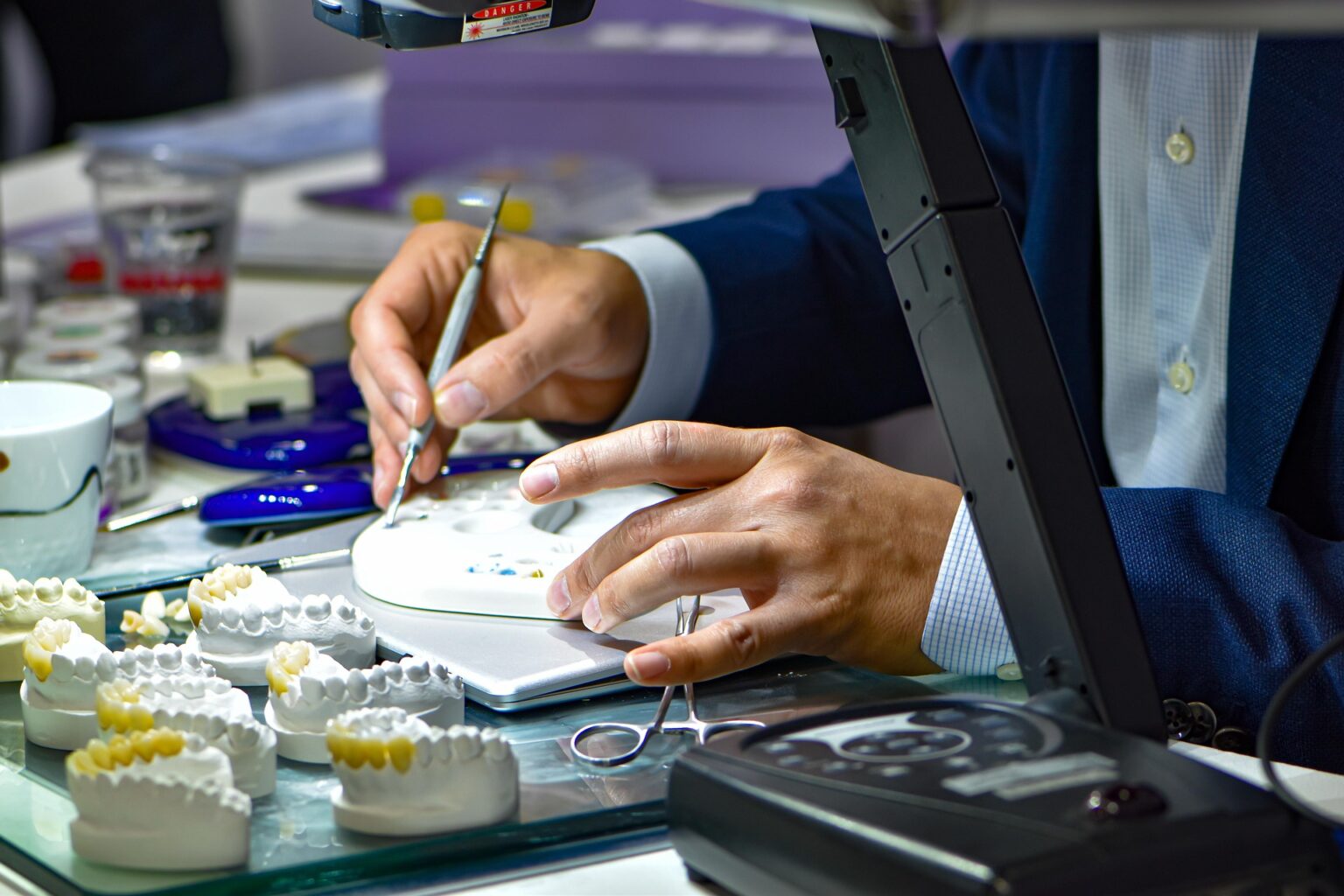
Laboratories have benefited just as much. Digital files move quickly, designs can be refined with software, and milling systems produce consistent restorations with impressive precision. A skilled technician still matters enormously. The future is not technician free. In fact, esthetic crown work often highlights how essential experienced ceramists remain. What has changed is the partnership. Dentists can send scans, photographs, shade maps, videos of the patient speaking and smiling, and even facial scans in some offices. The lab is no longer working from a stone model and a shade written on a slip alone.
Chairside milling has also altered expectations. Same day crowns are attractive for obvious reasons. Patients appreciate fewer visits, no temporary crown, and less interruption to work or family schedules. For a straightforward posterior case, this model can be efficient and predictable. Still, same day does not always mean best day. Complex anterior esthetics, difficult occlusion, or cases needing layered characterization often benefit from laboratory artistry and a slower pace. One of the hallmarks of mature dentistry is knowing when convenience serves the patient and when it quietly compromises quality.
Better esthetics, higher expectations
A crown that would have been praised fifteen years ago can now disappoint a patient who has become accustomed to high definition photography, cosmetic dentistry transformations online, and a sharper eye for asymmetry. Expectations are not inherently unreasonable, but they are more detailed. Patients notice translucency at the incisal edge, the warmth near the gumline, the way a tooth reflects light in selfies, and whether one front tooth looks slightly flatter than the other.
This has forced a more sophisticated approach to crown design. Shade matching is no longer just a single tab choice in many esthetic cases. Surface texture, value, opacity, characterization, and adjacent tooth behavior all matter. A bright white crown can look wrong not because it is ugly in isolation, but because it ignores the visual language of the neighboring teeth. Some of the best esthetic crown work is almost invisible, which is harder than making a restoration merely white and smooth.
The future of crowns in the esthetic zone will likely involve more integration with digital smile design tools, better shade analysis systems, and broader use of high quality photography. Yet there is a caution here. Technology can assist judgment, but it cannot replace it. A front tooth Dental Crowns crown that looks ideal on a screen may still fail in a live face if lip dynamics, age, skin tone, and smile line are not respected. This is where experienced hands still have an edge.
Crowns are becoming more conservative
One of the most meaningful advances is not flashy at all. It is restraint. Modern dentistry increasingly asks whether a full coverage crown is necessary in the first place. Partial coverage restorations, onlays, overlays, and adhesive restorations often preserve far more tooth structure when the clinical situation allows. When a full crown is indicated, preparation designs can often be more conservative than older textbook forms.
This matters because teeth have a biological memory. Every millimeter removed has consequences. A tooth that has already had a large filling, then a root canal, then a post, then a crown, is on a different path than a tooth restored with a conservative bonded ceramic restoration that leaves more natural structure intact. The long view favors preservation.
Patients do not always hear this when they search online. Marketing language sometimes presents crowns as simple upgrades, almost like replacing an old part with a stronger one. Real practice is less tidy. The future belongs to clinicians who can balance biomechanics, biology, and patient priorities without overtreating.
Implant crowns, aging populations, and more complex treatment planning
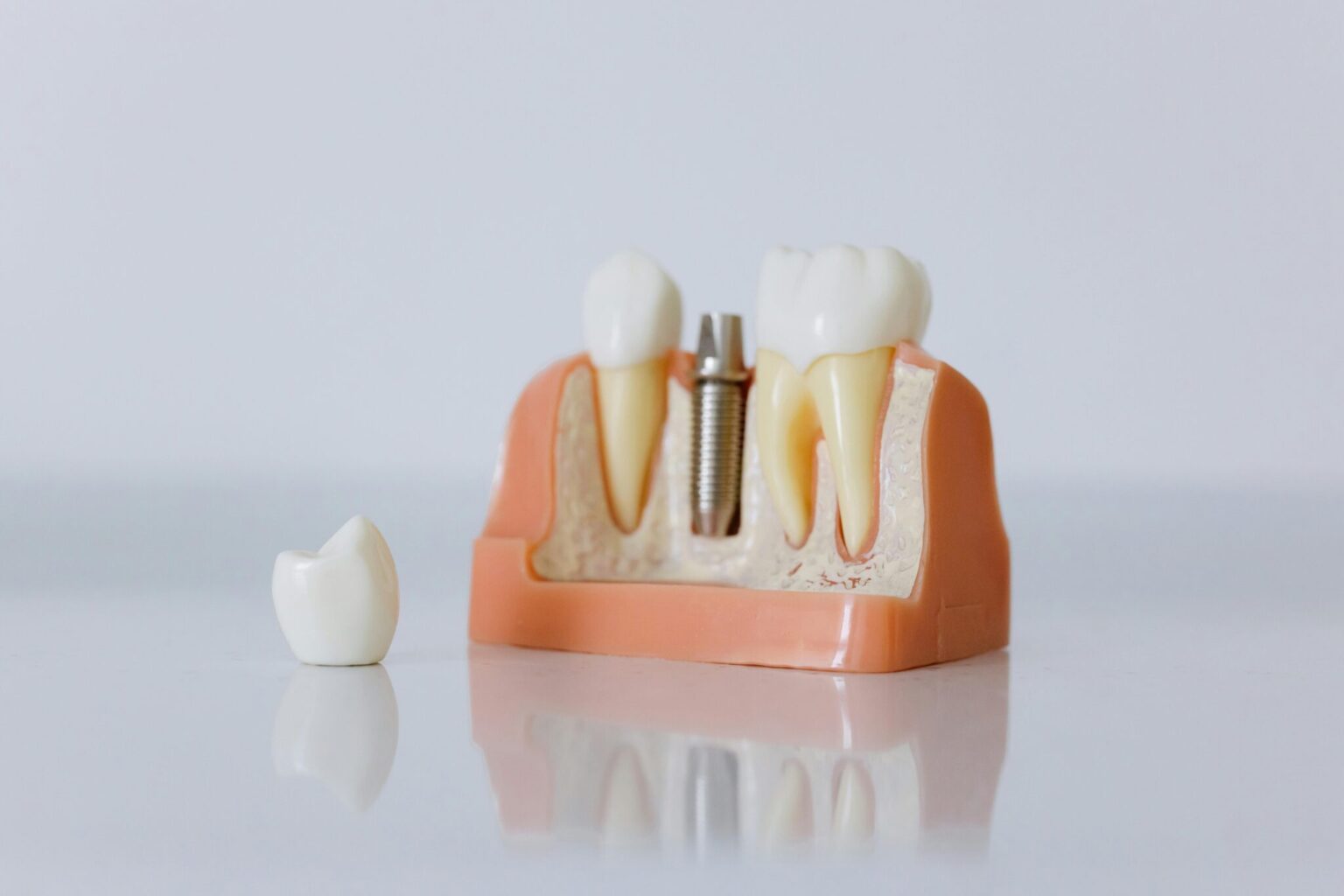
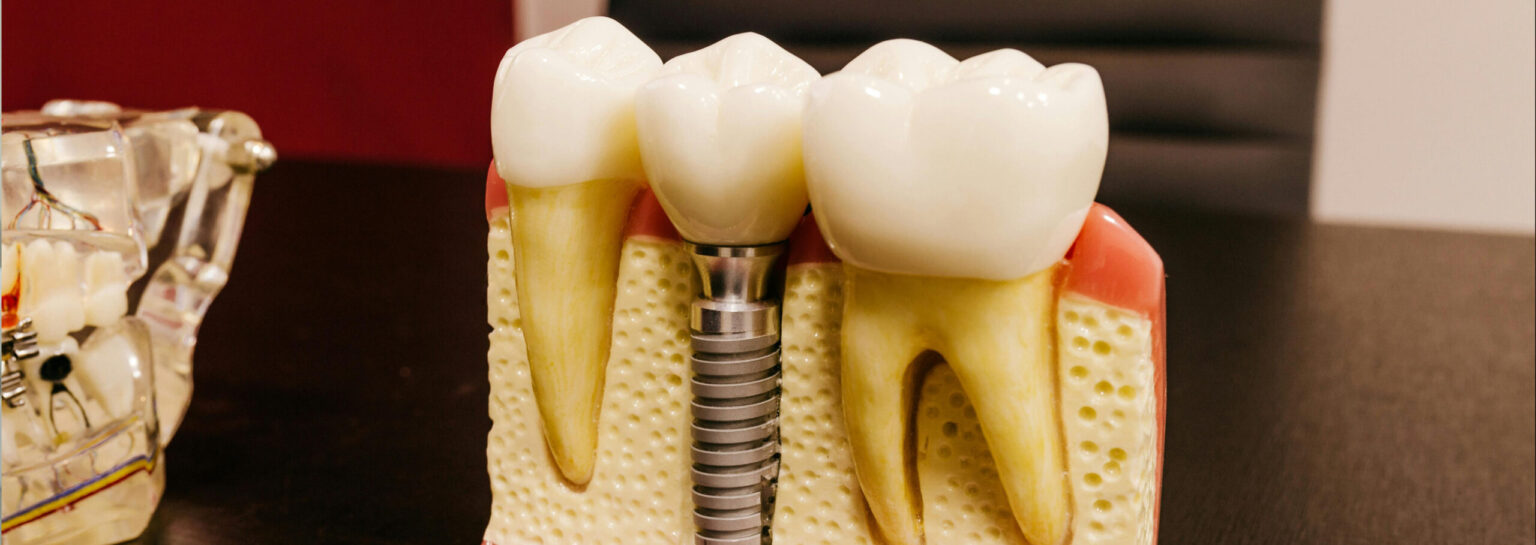
Crowns are no longer limited to natural teeth. Implant crowns now make up a substantial portion of restorative practice, and they bring their own set of challenges. A crown on an implant does not behave like a crown on a tooth because there is no periodontal ligament. Force distribution differs. Emergence profile is more demanding. Retrievability can matter greatly, particularly when maintenance or complications arise. Screw retained implant crowns have gained popularity in many settings because they can be removed when needed, though access placement and esthetics must be managed carefully.
At the same time, populations are aging with more teeth than prior generations kept into later life. That is a success story for dentistry, but it creates new restorative realities. Many older adults present with heavily restored dentitions, recession, wear, root exposure, and medical conditions that affect salivary flow or healing. A crown for a healthy 35 year old and a crown for a medically complex 78 year old are not equivalent decisions. Margin placement, material selection, appointment length, home care ability, and long term maintenance become central to the outcome.
In these patients, the future of crowns will be shaped not only by technology but by interdisciplinary care. Periodontal management, occlusal rehabilitation, caries control, and prosthodontic planning need to connect. A crown cannot rescue a tooth if the surrounding disease process is ignored.
What patients will expect from Dental Crowns over the next decade
Patients are already signaling what matters most to them. They want restorations that look natural, feel comfortable quickly, last a long time, and require fewer disruptive appointments. They also want clearer explanations of why one type of crown is recommended over another. The old model of passive consent is fading. People ask sharper questions now, and rightly so.
Several expectations will probably define the next phase of crown treatment:
- Greater transparency about materials, including why a dentist recommends zirconia, lithium disilicate, metal ceramic, or another option.
- Faster workflows, especially digital scanning and reduced remake rates.
- More personalized esthetics rather than a generic shade match.
- Less aggressive tooth reduction whenever clinically appropriate.
- Better long term planning, particularly for patients with grinding, gum disease, or multiple failing restorations.
Clinicians who explain trade offs well tend to build stronger trust. For example, many patients initially assume the most esthetic material is automatically the best. A thoughtful conversation about bite forces, habits, and tooth position can reframe that assumption without sounding sales driven. People generally respond well when they sense the recommendation is tailored rather than scripted.
The hidden determinants of crown success
Patients often judge a crown by color and comfort, but many failures begin in places they cannot see. Margin design, moisture control during bonding, occlusal adjustment, and provisionalization all matter. So does the health of the tooth before the crown is placed. A technically beautiful restoration placed on a tooth with a crack extending below the bone may still be heading toward extraction. Dentistry has many uncomfortable truths like that.
One recurring issue in everyday practice is underestimating occlusion. A crown that is even slightly high can trigger soreness, cold sensitivity, or jaw discomfort. In a bruxing patient, poor force distribution may lead to fracture, loosening, or wear of opposing teeth. The future crown appointment will likely include more precise digital occlusal analysis in some offices, but articulating paper and experienced clinical judgment are not going away. They still reveal a great deal when used carefully.
Another hidden factor is the temporary crown. Patients tend to view it as a disposable placeholder, and in one sense it is. But a well made temporary protects the tooth, maintains position, shapes gingival tissue, and offers a preview of form and function. In anterior cases, a good provisional can guide the final outcome more than patients realize. Some of the best esthetic final crowns emerge from excellent temporization and thoughtful revisions before the definitive restoration is milled or layered.
Longevity will depend more on risk management than hype
People naturally ask, “How long will my crown last?” The honest answer is that longevity depends on more than the crown itself. Ten to fifteen years is often used as a broad expectation, but many crowns fail earlier and many last much longer. The difference usually lies in the surrounding environment.
A patient with dry mouth from medication, frequent sugar exposure, poor plaque control, and a history of recurrent decay presents one risk profile. A patient with excellent hygiene but severe nighttime grinding presents another. Crown material matters, but it is only one variable. Margin location, cement choice, remaining tooth structure, bite force, maintenance habits, and recall frequency all influence survival.
Dentistry is gradually getting better at formal risk based planning. Instead of promising a single lifespan number, clinicians increasingly frame outcomes in context. That is a healthier direction for the profession. It also aligns with what experienced dentists learn over time: the restoration rarely fails alone. The ecosystem around it determines much of its future.
Where laboratories and clinicians will keep pushing next
The most promising developments are not necessarily dramatic. They are incremental improvements that add up. Better translucency without sacrificing too much strength. More reliable bonding protocols. Milling systems with tighter tolerances. Diagnostic software that integrates facial scans, bite records, and restorative design. Cleaner communication channels between the operatory and the lab.
Artificial intelligence tools will likely assist in design suggestions, margin detection, and quality control, though they should be treated as aids, not authorities. Dentistry remains tactile and biological. A software recommendation does not feel a tight interproximal contact or notice how a patient’s lip catches on a slightly overcontoured lateral incisor. Those details still belong to the clinician and technician.
Material science will keep advancing too, but probably in practical rather than revolutionary ways. We may see ceramics with improved fracture resistance at thinner dimensions, more stain resistant surfaces, and simpler finishing protocols. Adhesive systems may become less technique sensitive, which would be a genuine gain in everyday practice. If moisture control errors become less punishing, outcomes improve for patients and dentists alike.
The best future crown is still built on fundamentals
For all the excitement around digital tools and new ceramics, crown success still depends on fundamentals that would be familiar to any excellent dentist from an earlier era. Diagnosis must be sound. Preparation must respect biology and mechanics. Impressions or scans must capture the case accurately. The laboratory prescription must be clear. The seating appointment must be meticulous. The patient must understand maintenance.
That may not sound glamorous, but it is the truth. Many disappointing crowns are not the result of outdated materials. They are the result of rushed planning, poor isolation, vague communication, or trying to force a restoration to solve a problem that really required broader treatment.
The future of Dental Crowns in modern dentistry is therefore not a story of replacement, but refinement. Crowns are becoming more conservative, more precise, more esthetic, and more integrated into comprehensive care. They are also becoming more individualized. The strongest clinical outcomes will come from dentists who resist one size fits all thinking and from patients who understand that a crown is not just a product, but part of a long relationship between tooth, tissue, bite, and time.
Seen from that perspective, the future is encouraging. Crowns are not fading into irrelevance. They are maturing, becoming better aligned with how modern dentistry actually works, which is to preserve what can be preserved, restore what must be restored, and make each intervention count for as long as possible.
Omni Dental Specialty
1690 E Gonzales Rd, Oxnard, CA 93036, United States
+1 805-410-9603
FAQ About Dental Crowns
How long do crowns last on teeth?
A dental crown often lasts about five to fifteen years, although some last longer. Material, the underlying tooth, oral hygiene and grinding habits affect longevity. Regular dental examinations help identify wear, decay or a loose crown; no lifespan is guaranteed.
How much does a tooth crown cost?
There is no single price for every crown. Material, laboratory work, the condition of the tooth and any additional treatment affect the fee. Ask for a written estimate and confirm your insurance benefits, exclusions and out-of-pocket costs before treatment.
What is the downside of crowns on teeth?
A conventional crown usually requires irreversible removal of some tooth structure. Possible problems include sensitivity, chipping, loosening and decay at the crown margin; some teeth later need root canal treatment. Discuss your tooth's condition, material choices and suitable alternatives with your dentist.